A touching moment: At the Ramble, Hanover health fair, a member of the Jamaica Defense Force (JDF) personally hands a box of supplies to a woman in a wheelchair. Her joy says it all. These essential items brought comfort and relief, showing the power of community care and support. This health fair ensured hundreds of residents had access to essential health services and support, underscoring the power of partnership in strengthening community wellbeing.
Food For The Poor Jamaica recently hosted a community health fair in Ramble, Hanover, on January 10, 2026 serving more than 500 residents from the surrounding areas and reaffirming its commitment to improving access to essential healthcare services in western Jamaica.
The health fair provided a wide range of free services, including eye examinations, general medical care, dental services, and mental wellness support. Residents benefited from consultations and screenings aimed at promoting early detection, prevention, and overall well-being.
The initiative was made possible through the support and collaboration of several corporate, nonprofit, and public-sector partners. Participating organizations included JAM for Jamaica, JAMBISCO, Island Grill, National Water Commission (NWC), Jamaica Public Service (JPS), National Bakery, Wisynco, A&E Ambulance Services, Lions Club, KFC, Sean Paul Foundation, the Ministry of Health & Wellness, Sign Xpress, Jamaica AIDS Support For Life, the University of the West Indies (UWI), and the University Hospital of the West Indies.
Through these partnerships, the health fair delivered vital services directly to the community, reducing barriers to care and providing much-needed support to residents in the west. Food For The Poor Jamaica continues to work alongside partners to uplift vulnerable communities by addressing critical needs such as healthcare, food security, and social support.
Smile Awhile: Demonstrating good spirits, Food For The Poor Jamaica’s Agricultural & Fisheries Manager, Othniel Carby (left) poses for a quick picture with a woman and her baby at the recent health fair in Ramble, Hanover. The event, which served over 500 people, provided free medical, dental, eye care and mental wellness services, made possible through strong partnerships across the public and private sectors.
Angela Patterson, General Manager of the Caribbean Community of Retired Persons (CCRP), addresses a group of seniors during the World Elder Abuse Awareness Day. The seminar was hosted by the National Council for Senior Citizens (NCSC) at the Stella Maris Church Hall in Kingston on Friday, June 13, 2025.
CCRP, the seniors advocacy organization, joined forces with the National Council for Senior Citizens (NCSC) to commemorate World Elder Abuse Awareness Day on Friday, June 13, 2025. The forum, held at the Stella Maris Church Hall in Kingston, featured presentations from the NCSC, the Jamaica Constabulary Force (JCF) and CCRP, focusing on abuse prevention, safety tips, and advocacy for improved quality of life for seniors.
Addressing the issue of elder protection, CCRP General Manager Mrs. Angela Patterson outlined key recommendations previously submitted to Parliament’s Special Select Committee regarding the proposed Elderly Care and Protection Act. “We recommend the establishment of a Commission for the Elderly, which would evolve from the current NCSC,” said Mrs. Patterson. “This Commission would be empowered to investigate and prosecute cases of abuse, as well as hold accountable organizations serving the elderly.” She emphasized that such legislation would not only protect today’s senior citizens, but also safeguard future generations.
Chairperson of the NCSC, Dr. Julian McKoy-Davis, underscored the importance of proactive planning in abuse prevention. She advised that developing and discussing care plans with trusted family and friends can help prevent neglect or mistreatment, especially in care homes. She also highlighted the impact of cultural norms and lifestyle habits on elder well-being, stressing the importance of maintaining positive mental health. In her closing remarks, Dr. McKoy-Davis urged mutual responsibility across generations: “Be your brother’s keeper: stay aware of the older adults around you.”
Deputy Superintendent Jacqueline Dillon of the JCF’s Domestic Violence Intervention Centres offered practical advice for ensuring the physical and financial safety of seniors. She noted that predictable routines often make elderly individuals more vulnerable to abuse and urged them to be vigilant and proactive about their security. “Many elderly persons become victims of abuse but are afraid to report it,” she said. “You have the right to protect yourself and we [the JCF] have a duty to protect you,” she asserted.
Following the presentations, attendees were invited to share their concerns, ask questions, and provide feedback. A plethora of issues continue to plague Jamaican seniors ranging from neglect to physical, emotional, sexual and financial abuse, which underscores the need for greater care to be taken of this vulnerable group in the Jamaican society.
A key concern raised during the event was the challenge seniors face with digital banking. One participant shared her distress in accessing her money, citing the frustration caused by the discontinuation of traditional bank books and the forced transition to digital platforms. She noted that service providers often question the competence and intellect of older clients, and highlighted the lack of senior-friendly facilities in many commercial spaces.
The CCRP remains committed to advocating for the rights of older adults and is pleased to collaborate with the NCSC to enhance the safety, dignity, and well-being of Jamaica’s senior citizens.
A group of three senior women exercising together, jogging or power walking along a sidewalk in they are having fun, laughing.
Our CCRP members have complained about the lack of parks where they can safely exercise, so we are calling on the Ministry of Labour and Social Services to collaborate with the Ministry of Local Government to establish areas similar to Emancipation Park and Harmony Beach Park in every parish.
We are happy that a petition we circulated for the reopening of the Rockfort Mineral Bath, signed by over 2,500 people, helped to push the envelope for the good news we received this week. We are incredibly grateful to the Caribbean Cement Company for keeping communication open and for the generous features that they are adding to the costly renovation.
As we reflected on the dangers to elders living alone — fire and natural disasters — we are calling for a division of the Office of Disaster Preparedness and Emergency Management to serve the elderly in collaboration with NCSC, the Jamaica Constabulary Force, and the Jamaica Fire Brigade.
The Senate committee also heard excellent presentations from Sandra Latibeaudiere, lecturer and the section head/unit coordinator for the Social Work Programme at The University of the West Indies, Mona, and Dr Brian Kazaara, president of the Jamaica Association of Psychiatrists. Latibeaudiere noted that there is a 6 per cent prevalence of dementia in Jamaica, and with our growing elderly population, called for a National Dementia Plan. She mentioned depression as a worrying factor and recommended cognitive testing. She said the existing community health teams should be equipped with specialists to address these issues.
Dr Kazaara noted the importance of ethics, respect, patient autonomy, and advocacy. He said elderly patients should be allowed to speak for themselves and emphasised that dementia is not an inevitable condition for the elderly. He underlined the importance of cognitive testing and bemoaned the inequity of the delivery of services in rural areas.
In our CCRP outreach activities we see how woefully underserved our needy elderly are, many of whom live in volatile areas. We are grateful to DSP Natalie Palmer-Mair, Sergeant Jerr Johnson-Heron, and other kind officers for assisting in distributing our care packages to destitute elders.
This proposed legislation is everybody’s business. It will not only protect the elderly of the present, but also Jamaicans of all ages — the elderly of the future.
JAAA President Garth Gayle recently announced that Jamaica’s young athletes can now benefit from the elite services offered at the Red Bull Athlete Performance Centre (APC), both overseas and locally, through a partnership between the Jamaica Athletics Administrative Association (JAAA) and Red Bull.
This collaboration marks the company’s investment in the development of Jamaica’s Under-18 and Under-20 national teams, giving them access to world-class resources including physiotherapy, strength and conditioning, performance assessments, medical services, and rehabilitation.
“Red Bull is proud to be working with the JAAA, our first Athletics Federation partner globally” said Marc-Oliver Kochan, Managing Director, Red Bull Athlete Performance Centre. “Jamaica’s track and field legacy is world-renowned, and we are looking forward to supporting the next generation of young athletes on their journey. We are really excited to help them realize their dreams and provide them with the tools, services, and support they need—not just to succeed in sport, but also in life.”
Gayle noted, “This sponsorship will allow the JAAA to provide a holistic programme, stay on track with the important components for their wellbeing and consistent performance. This is one of the objectives of the JAAA, and this level of support will ensure that no young athlete will be left behind.”
Eatmon noted that this is the first time that Red Bull is partnering with an athletics organization globally, and that they are proud that they chose the JAAA. “It means that they believe in what we’re doing, they believe in our programme, and they believe in the potential of our athletes,” he said.
Red Bull Athlete Performance Programme representatives Dr, Helge Ripenot Medical Doctor; Peter Muller, Head of Therapy; and Fionn MacPartlin, Head of Strength Training also attended the Boys and Girls High School Championships. It must have made them happy that our amazing young athletes will receive the expert assistance of their APC.
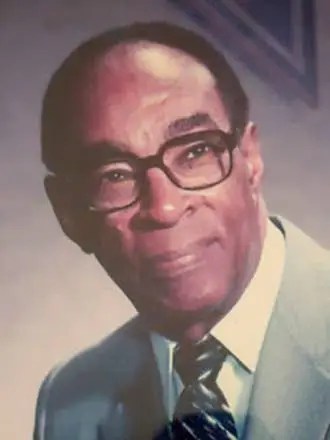
Last Friday we gathered at the former Foundation for International Self-Help Jamaica Limited (FISH) Clinic to celebrate the 40th anniversary of the renamed Louis Grant Medical Centre in honour of its founder, Professor Grant. The beloved professor created the clinic in 1975 at 19 Gordon Town Road, near Papine, to serve less fortunate Jamaicans.
In her tribute at the event, his daughter, Bette Grant Otunla, traced the humble beginnings of this son of Mitchell Town, Clarendon, whose love of learning gained him the Vere Trust Scholarship to Jamaica College at a time when the College was a school for the privileged. The outstanding student was recommended by his headmaster, William Cowper, to take up a position at the government laboratory. This involved working visits to the Kingston Public Hospital where young Grant became interested in medicine, and with his savings and assistance from his family, enrolled at University of Edinburgh.
“He graduated in 1939 with his medical degree, three months before World War II started, and returned to the government laboratory in Jamaica,” shared his daughter. Soon after “he was awarded a Rockefeller Foundation scholarship to do a master’s in public health at the University of Michigan in the USA, which then had one of the best public health programmes in the world … [He] set up an excellent system of laboratory services in Jamaica on his return,” she said. This continues to be a linchpin of Jamaica’s health system.
Professor Grant was one of the first members of staff at the newly established The University College of the West Indies (UCWI) and was awarded a scholarship to study bacteriology at London School of Tropical Medicine and Hygiene. Thus armed, he set up the Department of Bacteriology at The UCWI. His research on tropical diseases led him to appeal to the World Health Organization and UNICEF to provide vaccines for an islandwide immunisation operation. We can thank the goodly professor for the eradication of tuberculosis in Jamaica.
Further, he noted the suffering of patients with leptospirosis and embarked on a public education campaign so Jamaicans would learn to protect themselves from rats, which carried this often-fatal disease. When equine encephalitis became widespread among horses, Professor Grant set up an area for animals near the Mona Post Office where he could test and treat them.
The professor used his knowledge to help protect Jamaica’s livestock. One of his colleagues at the Department of Bacteriology, Dr Owen James, recalled, “Outside of the department in nearby communities like August Town or further afield in St Thomas, chickens or goats or horses or other animals would be kept in certain areas and checked from time to time. This could signal a warning of an imminent outbreak of a particular disease, based on the findings from these ‘Sentinel stations’.”






 Jamaica Highlights