Digicel Foundation restores Smart Labs at Melissa-battered western schools
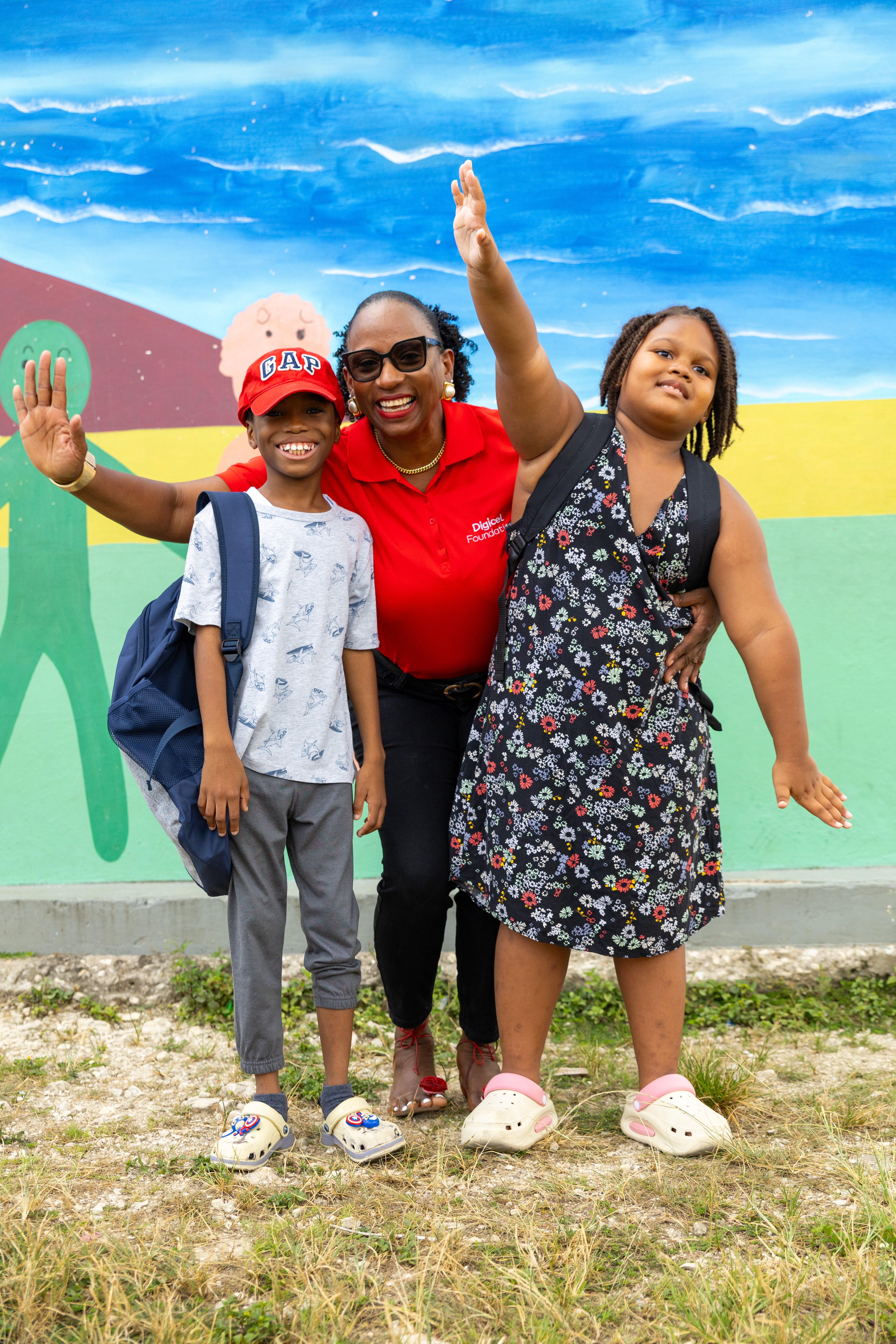
In Jamaican communities where the scars of Hurricane Melissa are still visible, two primary schools are finding reasons to smile.
At Unity Primary School in Westmoreland and Anchovy Primary School in St James, the hurricane tore through schools’ infrastructure, damaged roofs and destroyed classrooms and learning resources. But while repairs to the wider schools continue, the drive to keep children learning has not stopped.
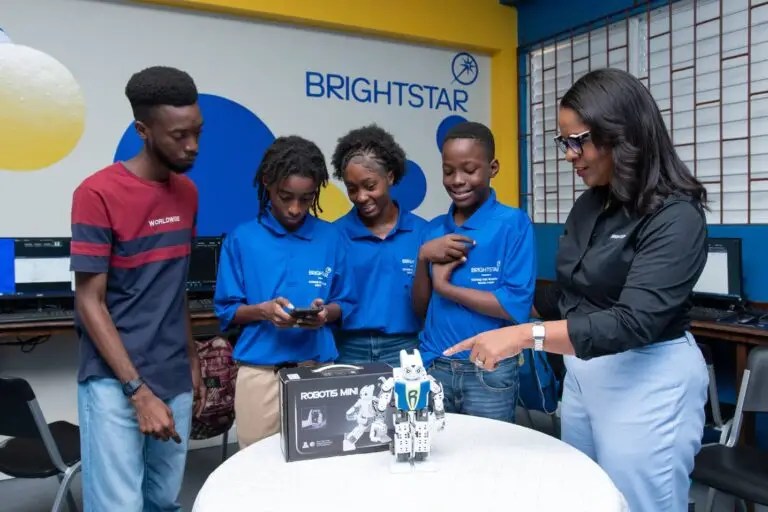
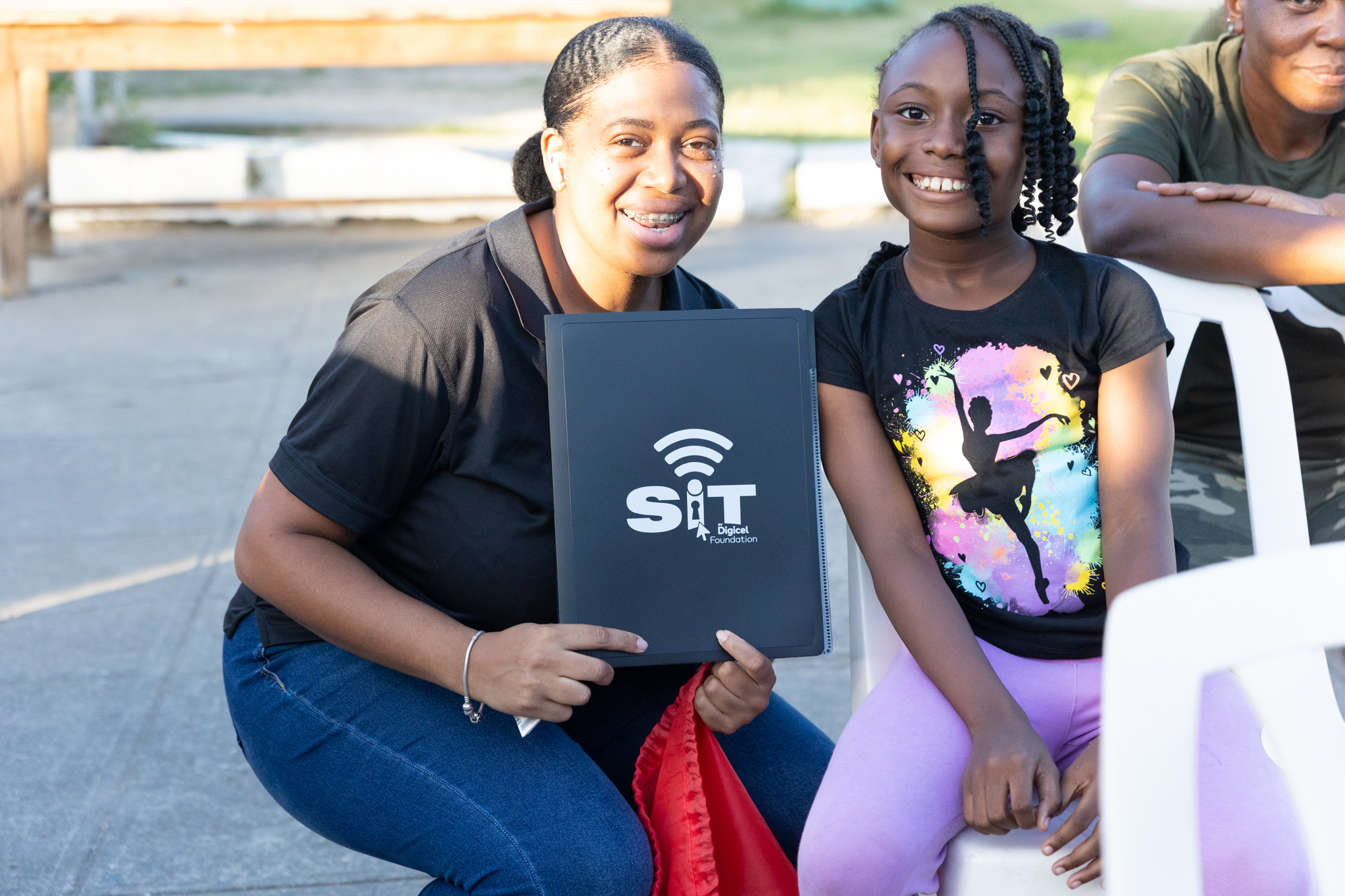
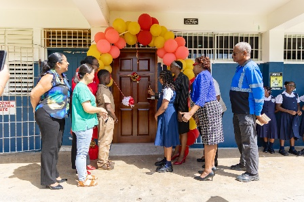
Through the Digicel Foundation, both schools have received rebuilt Smart Labs, giving students access once again to the technology, digital tools and learning environment that have become central to their education. The rebuilt labs were officially opened at Unity Primary on Friday, September 11 and Anchovy Primary on Monday, September 14.
For the principals, the new spaces are tangible signs of recovery and a reminder to students and teachers that, even after a disaster, their education remains a priority.
At Anchovy Primary Principal Cheryl Grant-Mitchell recalled the devastation and uncertainty that followed Hurricane Melissa last October. The school had made every effort to secure the Smart Lab and its devices ahead of the storm. Despite those preparations, the hurricane destroyed everything inside.
“I would have been really down because we had done everything we could to secure the room, but when we came back, all the devices in the Smart Lab were destroyed,” Grant-Mitchell said.
But help came sooner than she expected.
“Just a few days after the hurricane, the Digicel Foundation reached out to us and enquired about a new Smart Lab. From there, the rest is history,” Grant-Mitchell said.
“Today, we are so grateful because, thanks to the Digicel Foundation, we are back on track with learning and technology.”
The significance of the rebuild is particularly important for Anchovy Primary, which has built a strong culture around technology since its first Smart Lab was established in 2022.
“Since we got our first Smart Lab in 2022, we started a coding programme, which led to our robotics programme, and as a result, we have participated in and won several national coding and robotics competitions,” Grant-Mitchell explained.
At Unity Primary Principal Dawnett Hall-Beharie also described the rebuilding of the Smart Lab as an important step in the school’s recovery.
The hurricane left the school among those hardest hit in the western region, with significant damage to its infrastructure, including the roof.
Yet, even amid the destruction, Hall-Beharie said the school community remained focused on its students.
“The rebuilding of our Smart Lab is a symbol of hope for our students, teachers and the wider community,” Hall-Beharie said. “Hurricane Melissa took away so much, but it did not take away our determination to give our children the education they deserve.”
She added that having the lab restored allows students to reconnect with digital learning while the wider recovery of the school continues.
“Our children deserve to see that even after a disaster, there is a way forward. This Smart Lab tells them that their dreams and their education are still important, and that we are committed to helping them move forward,” said Hall-Beharie.
For the Digicel Foundation, rebuilding the Smart Labs was also an opportunity to apply lessons from the hurricane and rethink how its technology spaces are designed for vulnerable communities.
Digicel Foundation CEO Charmaine Daniels said restoring access to digital learning was an essential part of helping schools regain momentum.
“After Hurricane Melissa, we saw first-hand that recovery is not only about repairing buildings; it is about restoring opportunity,” Daniels said.
“For these students, digital learning is not something that can simply be put on hold until everything else is fixed. Their education, their creativity and their preparation for the future must continue,” added Daniels.
The Digicel Foundation has also incorporated lessons from the hurricane into the rebuilding of its Smart Labs, including strengthening roofing infrastructure and revising construction standards to make the facilities more resilient and disaster ready.
“Melissa taught us that we must build with the realities of our climate in mind. As we rebuild, we are looking at how we can build smarter, stronger and more resilient spaces,” Daniels said.
“That means stronger roofing infrastructure and construction standards designed to better withstand extreme weather, while still creating the technology-rich environments our children need.”
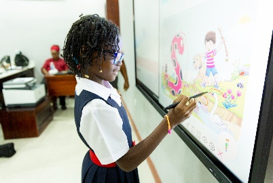
At both Unity Primary and Anchovy Primary, the wider work of repairing and restoring the schools continues. But inside their rebuilt Smart Labs, students are once again able to learn, explore, create and engage with technology.