

As we celebrate Reggae Month, we reflect on this cultural treasure, evolving from the ska beat and then the mesmerizing rock-steady. As an engineer with Total Sounds Ltd, a record manufacturing and distribution company of the seventies, my husband Hubie Chin interacted with legends like Rita and Bob Marley, Burning Spear, John Holt, Johnny Clarke and Bob Andy.
I remember the evening when Hubie brought home a sample record. He said Bob Marley wanted a handsome advance and his boss, Herman McDonald wanted my opinion – at that time I was theatre reviewer for the Jamaica Daily News. On listening to the record, I immediately suggested that he pay him double. It was ‘Rat Race’ and it was Number One on the charts for six weeks.
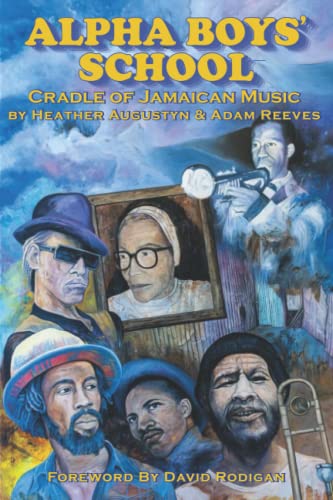
While serving on the Board of Alpha Boys School (now Alpha Institute), I learned much of the history from the legendary Sister Mary Ignatius Davis of the Sisters of Mercy. Founded in 1880, Alpha Boys School became the cradle of Jamaican music. It was to have been ‘a school for wayward boys’, but became a sought-after music school with a rich history. Johnny “Dizzy” Moore, who was a member of the legendary Skatalites, said that he wanted so much to study music at Alpha, that he played pranks at home just to be sent there.
When Sister Ignatius passed away in February 2017, this column celebrated her 60 years, graduating two hundred students per year, titled “The Mother of Many Sons”. I wrote: “I could hardly believe my eyes when I saw a music video a few years ago on TVJ showing Sister Ignatius shaking hands with one of her many sons, reggae singer Leroy Smart. When I called to tease her, she said in her slightly dry tone, ‘My dear, Leroy came by to visit and as I greeted him and looked up, there was the camera!’ But you could hear the pride in her voice – yet another of her boys had done well.”
Sister Ignatius’ “children” include the late great Lennie Hibbert, Don Drummond, Tommy McCook and Leslie Thompson who conducted the London Symphony Orchestra, Cedric “Im” Brooks, “Dizzy” Moore, Bobby Ellis, Eddie Thornton, “Sparrow” Martin, who taught at the school, and the dance hall sensation, Yellowman.
Reggae boosts ads
Of course, reggae sells everything well, so at our agency, PROComm we collaborated with several amazing artists. We learned that Flourgon had mentioned Lasco in his lyrics, so we collaborated on lyrics for the first Lasco Food Drink ad. The jingle was so popular that he had to get cases of the product to distribute at his shows. Lovindeer sang a popular Lasco Whole Milk jingle for us, and Freddie McGregor and young Stephen (Di Genius) gave us a lively Lasco LaSoy jingle.
For the Electoral Office of Jamaica, we promoted voter registration with Lovindeer and Dean Fraser in a singalong by over fifty leaders from every walk of life. We commissioned “Peace Love and Unity”, Tony Rebel’s inspiring composition for the 1997 General Elections. The music video featured our Reggae Boyz, Coach Rene Simoes and Olympic Gold Medalist Deon Hemmings lip-syncing the lyrics. Louise Fraser-Bennett, the late President of the Sound Association said selectors would play that song to ease political tension at dances.
For another General Election, we wanted to affirm good behaviour at Elections with Jimmy Cliff’s “Wonderful World, Beautiful People”. We asked our church brother Dwight Richards if we could get a call to the iconic composer. I nearly lost my voice when Dwight called and said, “Hold on for Mr. Cliff.” I asked if we could use his song for the Elections and he immediately agreed. When I asked if there would be a fee, he replied that there would be no charge. Bless his great heart.
Then came the launch of Digicel in April 2001. Marketing Director Harry Smith called us to help find talent, as the singer they planned on was not available. The year before, I had been in talks with Sly Dunbar about a project and found him to be good-natured and approachable. He agreed to meet us at our Kingsway office and as we put our case to him, his eyes lit up. “Let me call Maxi Priest,” he said. Then and there, he called him and confirmed that the star agreed to appear at the launch. What a magical night it was!
In my talks with Sly Dunbar, he related that he and Robbie Shakespeare were invited regularly to TV and movie studios in the US and elsewhere, to create music for themes and continuity in a variety of movies and TV series. Listen closely – you will hear those recognizable beats in the most unexpected places.
We also engaged Tessanne Chin and Agent Sasco for the peppy and instructive Road Safety Council music video, ‘When You’re On The Road’.
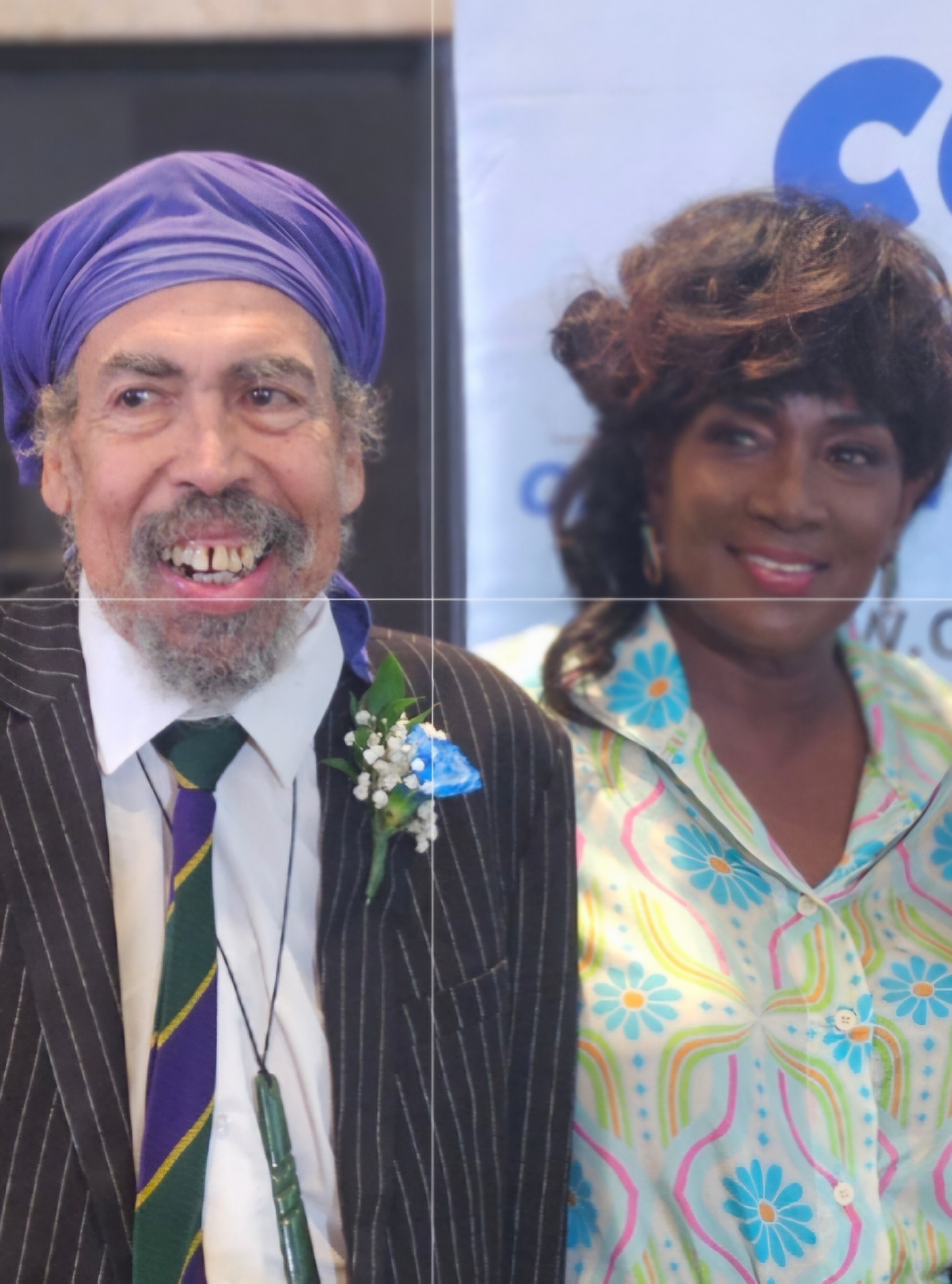
Memorable day with Cat Coore
Last November we met our ‘Reggae Ambassador’ Stephen ‘Cat’ Coore, when he was celebrated by CCRP (Caribbean Community of Retired Persons) as a recipient of the 2025 Living Legacy Award. He was in good spirits and got into a party mood when our songbird CCRP member Sandra Crawford sang the Third World hit “Rhythm of Life.”
His Citation reads, in part:
Stephen ‘Cat’ Coore is a legendary Jamaican musician whose career spans over five decades, leaving an indelible mark on Jamaica’s cultural and musical heritage worldwide. Born in Kingston, his musical journey began early when he performed at age ten for Princess Anne on her visit to Jamaica.
He later joined Inner Circle, before co-founding the iconic Third World Band as Artistic Director, guitarist, cellist, vocalist, songwriter, and producer. Under his leadership, Third World achieved international acclaim, blending reggae, soul and funk, touring globally, signing with Island Records, and releasing hits including “Now That We Found Love.” The band earned nine Grammy nominations, the United Nations Medal of Peace, and multiple lifetime achievement awards.
We are glad to have given him his flowers when he could enjoy them.
 Jamaica Highlights