
Excerpt from the Jamaica Observer column published Monday, May 31, 2021
By Jean Lowrie-Chin
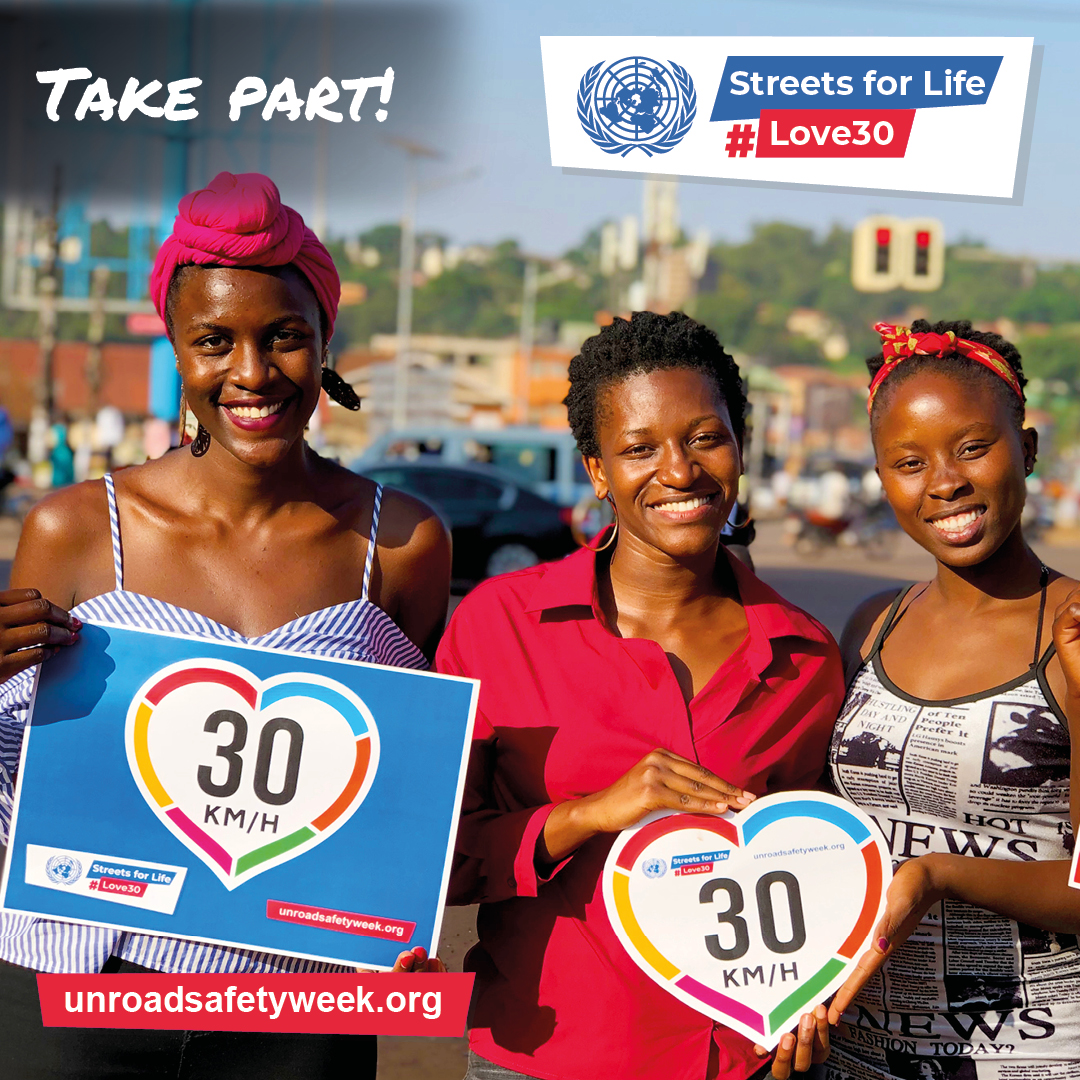
A webinar in recognition of the UN Global Road Safety Week earlier this month with the theme ‘Streets for Life’ explored the complex issues surrounding road safety in developing countries such as Jamaica. The discussion, moderated by National Road Safety Council (NRSC)
Vice-Chairman Dr Lucien Jones, in partnership with the JN Foundation, focused on the ‘Love 30’ campaign to establish 30km/h speed limits in built-up areas.
The message from Prime Minister Andrew Holness, chair of the NRSC, was “Slow down and live!” He confirmed that the Jamaican Government “is giving serious consideration to the recommendation from the World Health Organization (WHO) for policymakers worldwide to adopt the safe systems approach to reducing road traffic injuries and deaths.”
While endorsing the safe speeds component that offers protection for pedestrians and other vulnerable road users, he referred to the “unacceptably high” numbers of deaths and injuries on Jamaican roads. The NRSC’s work in training motorcyclists and the long-awaited Road Traffic Act should have beneficial impacts. Prime Minister Holness also launched an appeal for increased grant funding for developing countries, where 80 to 90 per cent of road fatalities occur.
Road safety and child health advocate Zoleka Mandela, whom Dr Jones described as a “tireless campaigner”, made a passionate plea for Streets for Life – streets for people to walk, play and live. She stressed the need for urgent action as road traffic is the number one cause of death for 5- to 19-year-olds globally.
“We need to flatten this curve,” stressed director of the Mona Geoinformatics Institute (GIS) at The University of the West Indies Dr Parris Lyew-Ayee Jr, revealing that Jamaica is “heading in the wrong direction” in terms of road crash deaths — currently one death every 18 hours. He emphasised that targeted intervention is required, as improvements “will not happen organically”. The Mona GIS website includes a free database with detailed information on fatal road crashes at http://traffic-crashmap.monagis.com/.
Dr Etienne Krug, director of the WHO’s Department for Management of Noncommunicable Diseases, Disability, Violence and Injury Prevention, noted that the ‘vaccine’ for safer streets is “political will”. Indeed, it is! And so, we look forward to the implementation of Jamaica’s new Road Traffic Act later this year.
 Jamaica Highlights